
But First, Infrastructure
Gardening amid ravenous rabbits

Rhubarb, raspberries, lettuce. That trinity defined our first year of gardening in the new house because we had moved in too late to plant anything but lettuce, and the rhubarb and raspberries were overgrown. When this year’s planting season began, we had grand ambitions: blueberries and a dozen vegetable varieties, all planted in an aesthetic garden worthy of Pinterest. We sketched our vision—high fences with black wire and a smooth top rail, raised dark-wood beds, and white paver stones surrounded by gravel. We started in mid-May so we’d be ready to plant by Memorial Day (the sad reality of a Zone 4B planting season). I planned to do it in a three-day weekend.
What an idiot.
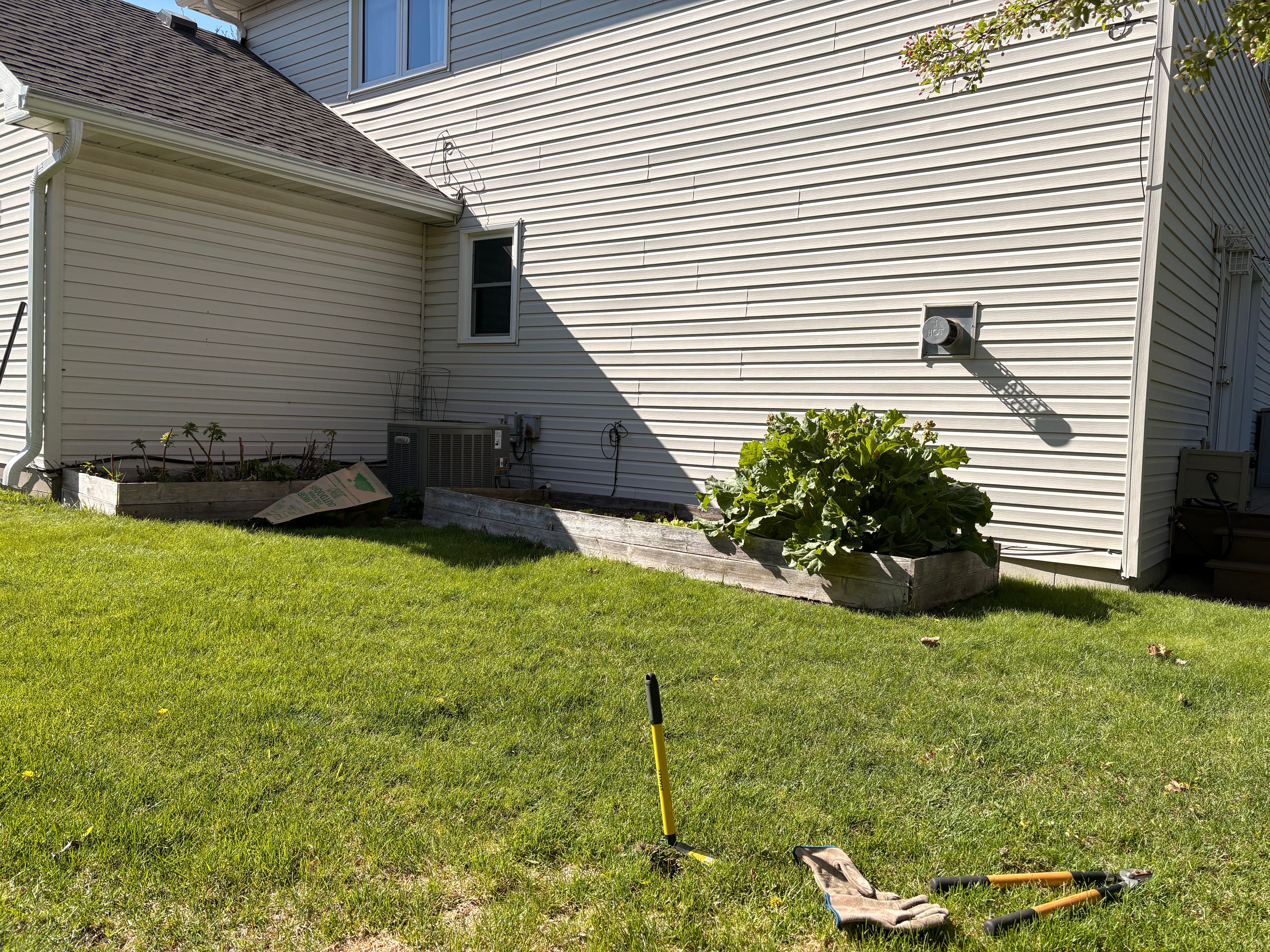
Just clearing the area consumed an entire weekend. I ripped up the dilapidated beds and hauled away ten wheelbarrows of dead soil. After discovering tree stumps beneath the beds, I hacked, slashed, cursed, and yanked them out of the ground. That was easy compared to extracting an overgrown rhubarb plant, which felt like ripping chunks of flesh from the earth. I half-expected it to scream like the mandrakes in Harry Potter.
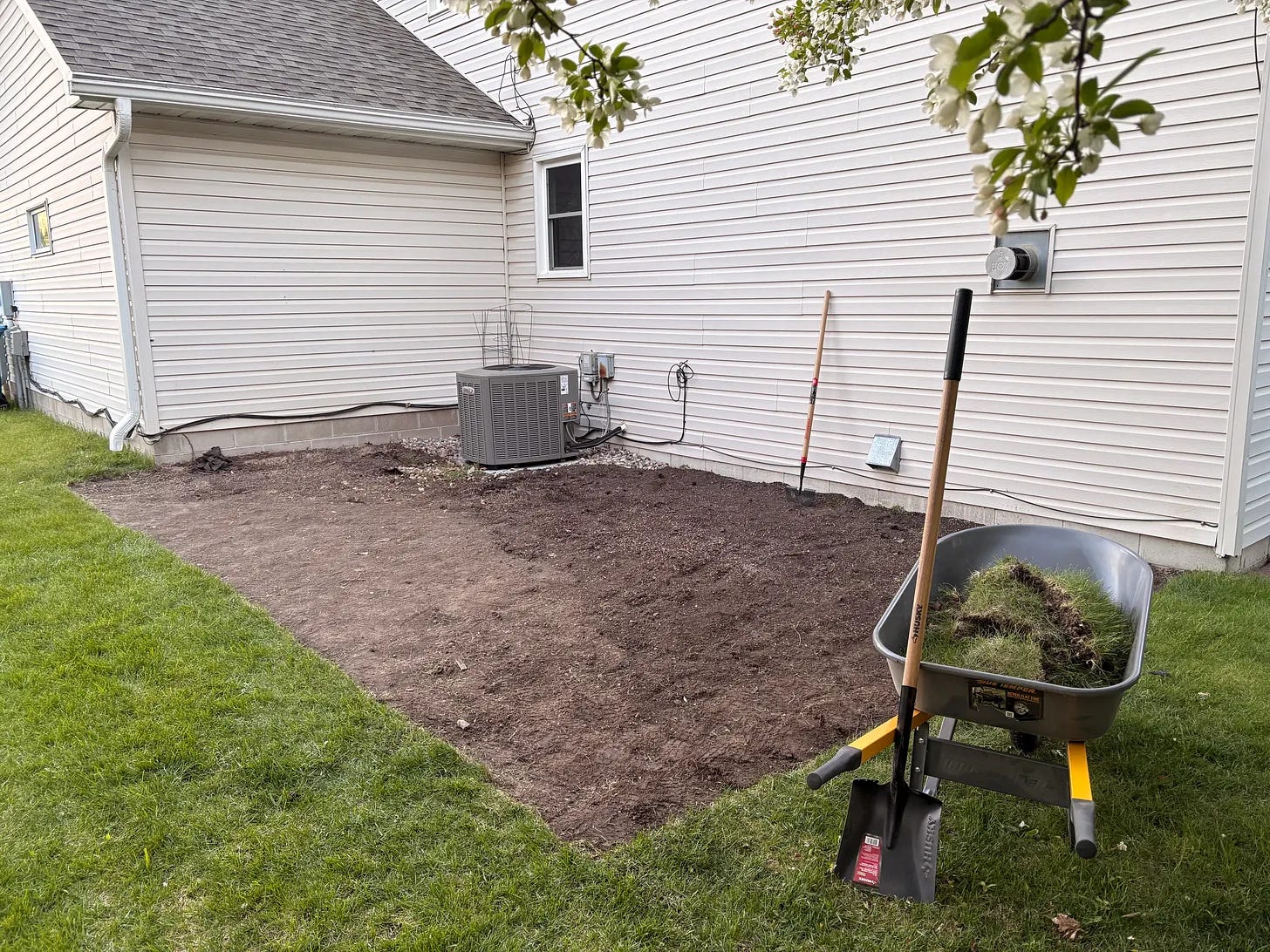
Then I had to scalp about 300 square feet of grass with a shovel. I was so far behind that we worried we couldn’t plant anything but lettuce again. So I skipped the fence and went straight to the raised beds. We got them planted by Memorial Day and were feeling pretty good.
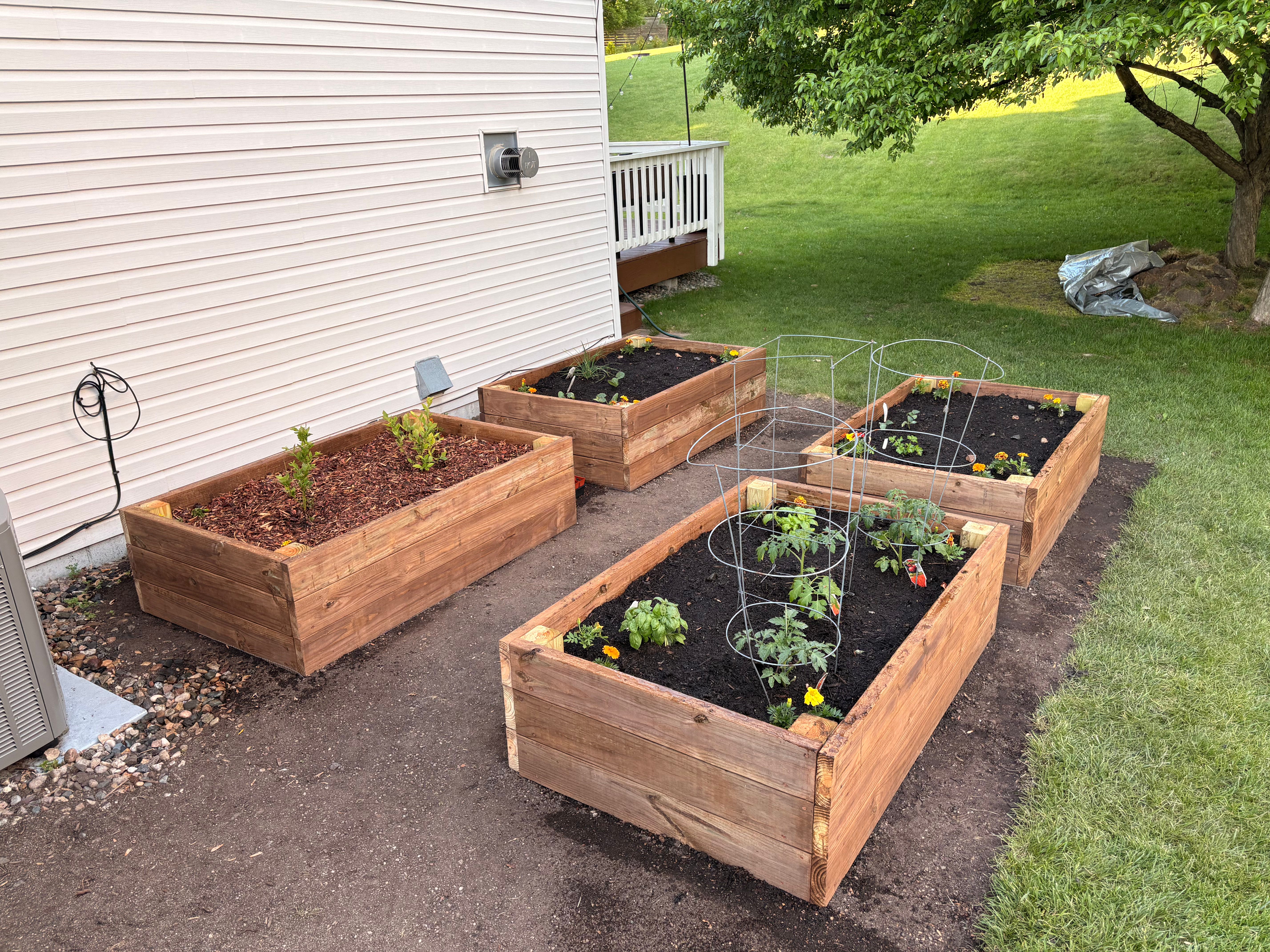
But before we could harvest anything, Mother Nature taxed us at a rate worthy of a revolution. Deer and rabbits desecrated nearly everything only a few days after planting. I’m becoming convinced that rabbits are the weeds of the animal kingdom. Without enough apex predators to keep them in check, they’ll run rampant and destroy all that is beautiful.
We 👏 need 👏 more 👏 apex 👏 predators.
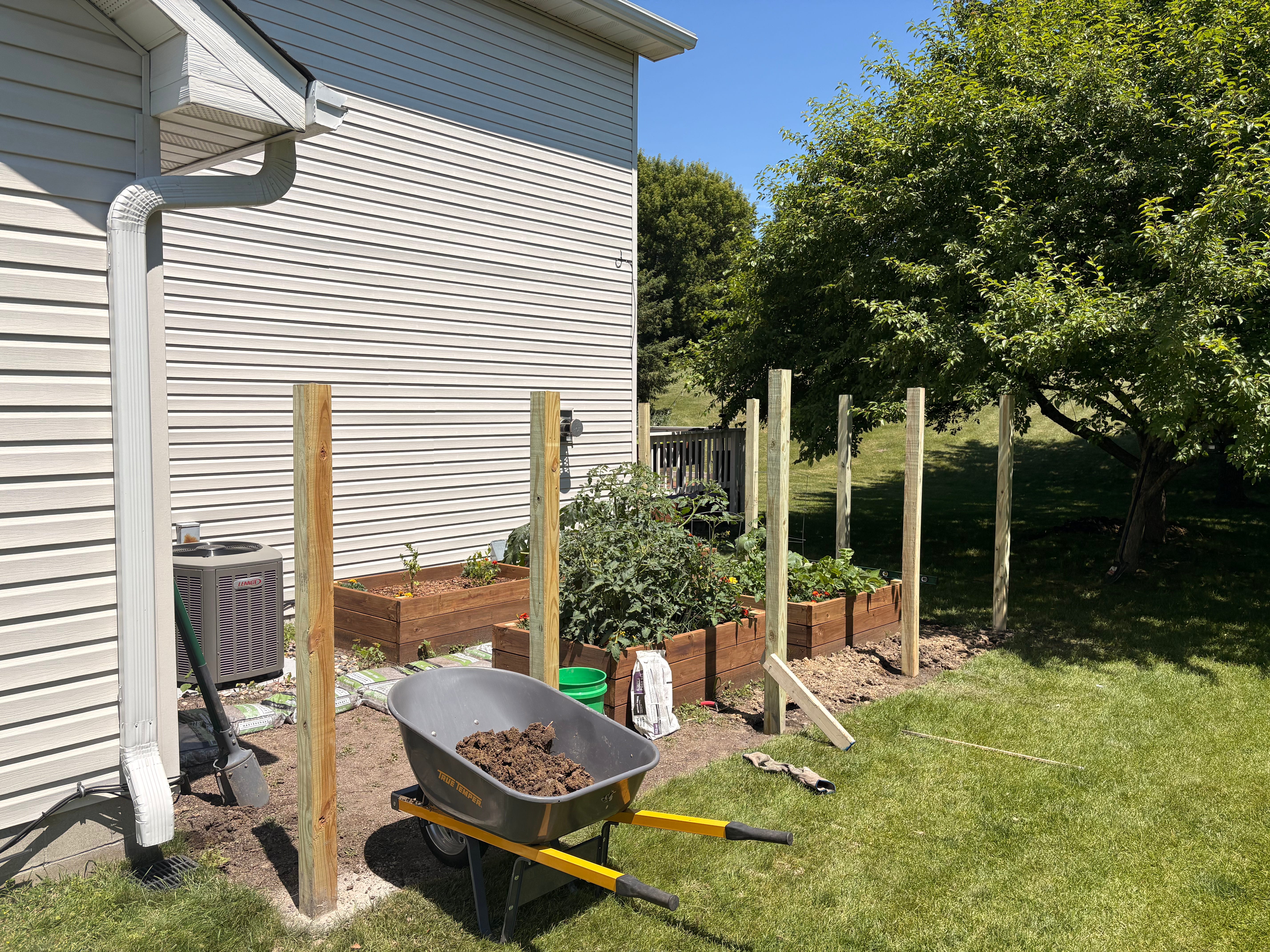
Then the real work began with digging three-foot post holes and building a fence in early July. One weekend after another, with more trips to Menards than I care to admit, the garden finally resembled the vision we had sketched, with lettuce, tomatoes, beans, onions, cucumbers, zucchini, blueberries, and some herbs.
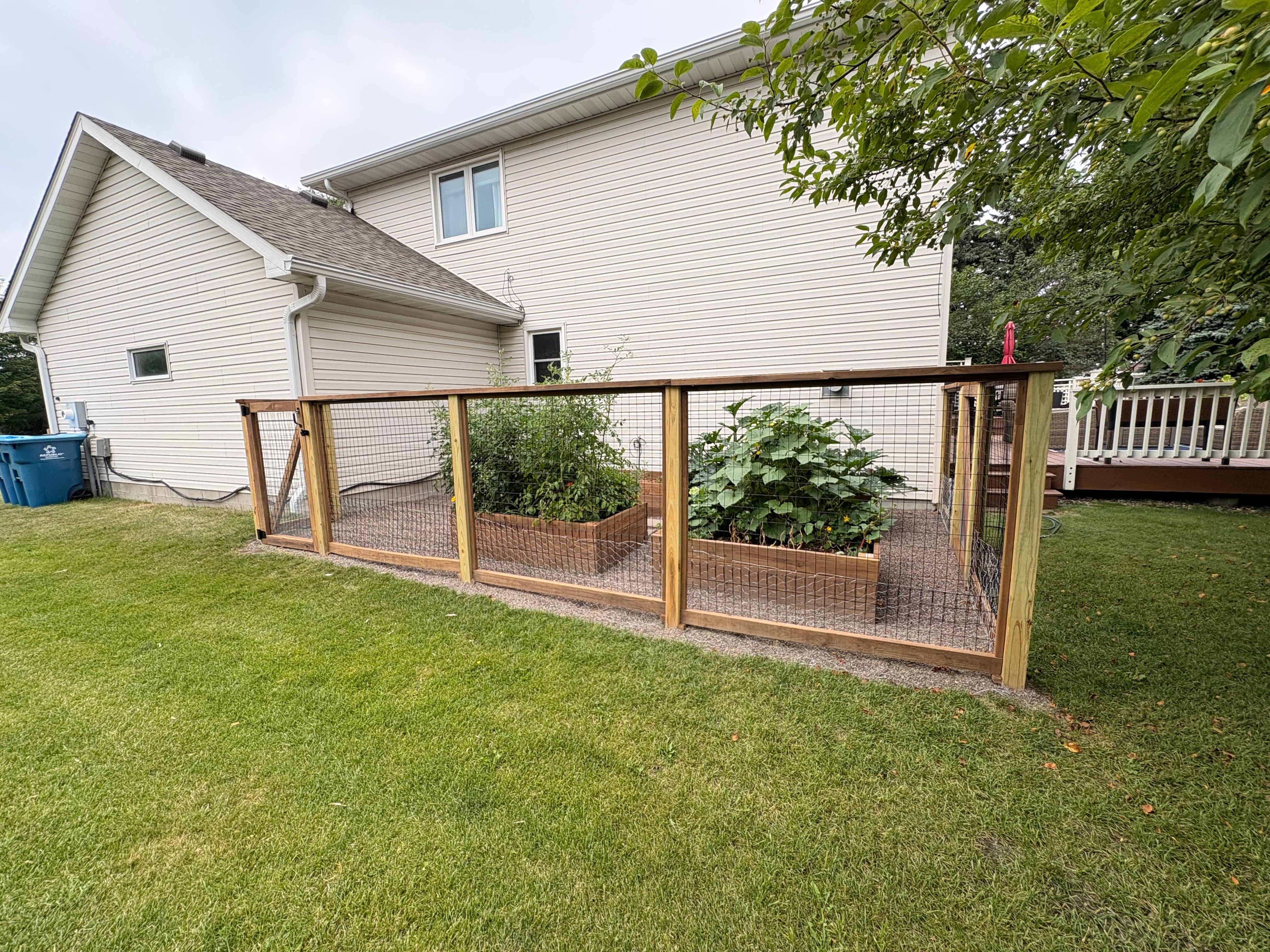
I had expected the tending—the watering, the weeding, the picking—but I hadn’t considered all the work that came before it. I now have hope because the garden has the infrastructure to thrive.
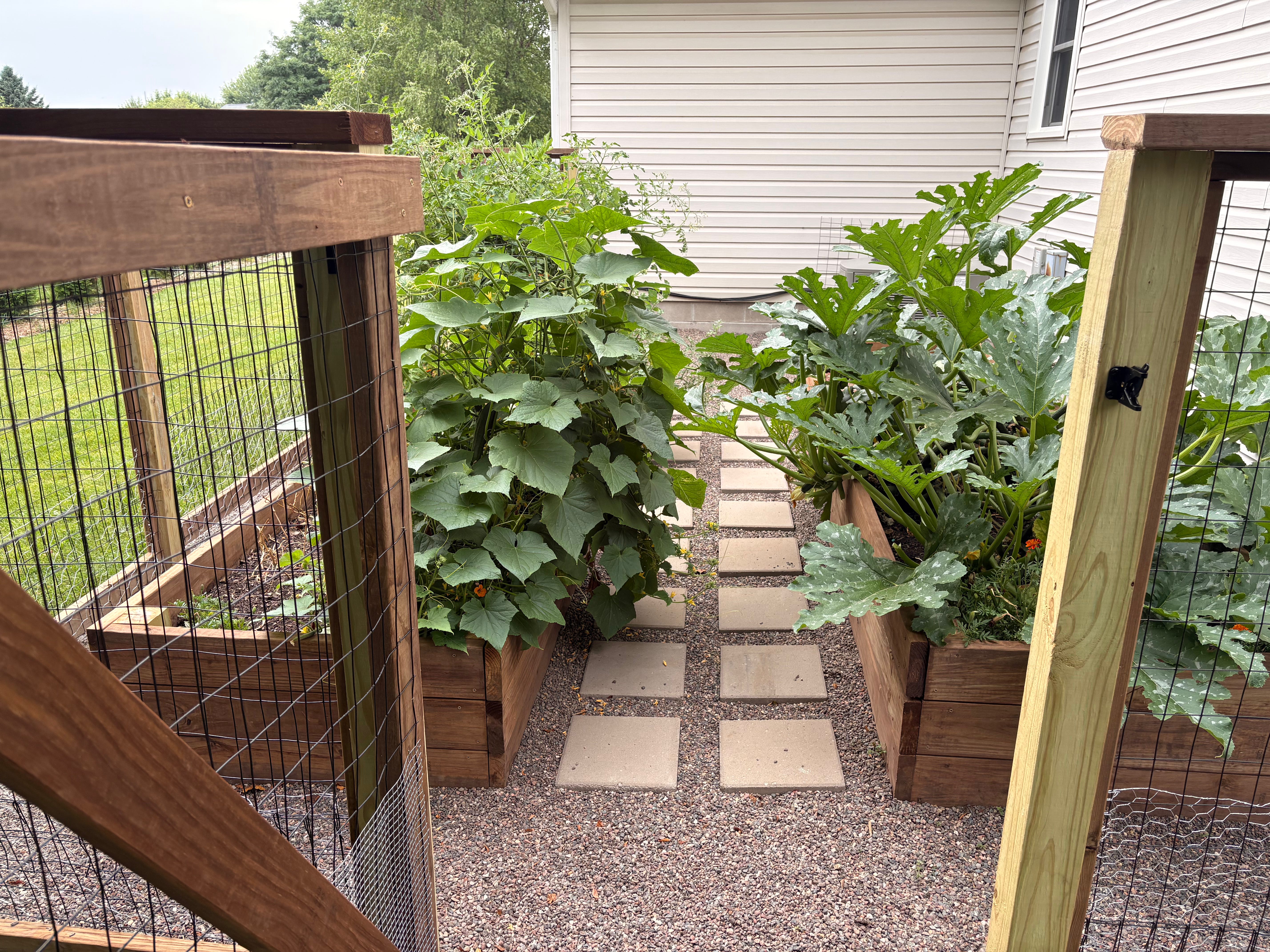
I know infrastructure sounds overly industrial in the context of gardening, conjuring images of soulless steel and corporate concrete. But without raised beds, the right soil mix, fences, chicken wire, and a nearby water source, any planting efforts might go to waste. We may begin before the infrastructure is complete, but we cannot expect anything to flourish without the conditions to protect it.
A lot of ink has been spilled on habit formation, so most of these rules are common knowledge: Start small, don’t miss two days in a row, and begin before conditions are perfect. In many ways, I agree. We can procrastinate on prerequisites instead of getting to the core thing. We should minimize the time to initial action and start small enough to discover whether we care before investing heavily. Infrastructure is only valuable when used.
I’ve run into this problem with writing many times. “Just start” helps get ideas on paper and may even produce a poem or short story, but I could not improve as a writer until I had a dedicated time and place to write, space for regular reading, a plan for what to work on, and mechanisms for feedback. Without infrastructure, our good intentions are as vulnerable as tomato starters in an unfenced garden.
But infrastructure isn’t permanent. We must maintain both what we are growing and the systems that support it. Only a week after laying gravel, weeds pushed through, and critters gnawed on the chicken wire. Similar patterns repeat with other habits. We get into an exercise rhythm, but when our schedules shift, we fall off the treadmill. We diagnose our lapse as a failure of willpower, and sometimes it is, but often the infrastructure that supported the habit no longer works. The trick is to identify where the system failed and reinforce that part.
Infrastructure need not be extensive. Travel can easily sabotage my progress because the gym equipment and routine disappear. When that happens, I fall back on the Deck of Pain, a workout that requires only a deck of playing cards. Even a basic structure can protect a habit. I still need to perform the pushups, but that little bit of infrastructure makes the habit easier to tend.
Go plant that garden, but don’t neglect the fence.